Winterproof Your Smart Home This Autumn
As the days get shorter and the nights draw in, our homes start to work overtime. Your heating systems go into overdrive, lights get turned on earlier, and security becomes top priority on those darker evenings. So, if you’re a smart home owner, autumn is the perfect time to get everything running smoothly before winter hits.
A well-tuned smart home should be able to adapt to the changing seasons automatically. With the right setup, your home will stay warm, comfy, and energy-efficient, while giving you greater control over lighting, heating and security, without you having to lift a finger.
Why Autumn & Winter Are Critical for Smart Homes
Autumn and winter are the times of year when we really put our smart homes to the test. With less daylight and colder weather, we spend way more time indoors and rely on heating, lighting and connected gadgets to keep us comfortable.
Your smart home system should be able to manage these seasonal changes too, automatically adjusting settings throughout the day so you don’t have to. Instead of manually switching on the lights an hour earlier or forever fiddling with the thermostat, your system can respond to daylight levels, your schedule and how many people are actually in the house.
Integrated platforms like Crestron or clever lighting from Lutron make it a breeze to automate all your daily routines. Lights can respond to the fading daylight, heating can switch on when the outside temperature drops, and security systems can kick in when you’re not even there. It’s all about giving you more time to enjoy your home and less time messing around with gadgets.
By doing a quick health check on your setup before winter sets in, you can rest assured that everything will keep running smoothly, even when you need it most.
What to Check on Your Smart Home this Autumn
When it comes to getting your smart home ready for winter, there are 3 key systems to focus on: heating, lighting and sensors.
Heating
Heating is the biggest energy guzzler in most homes during winter. Smart heating control lets you manage temperatures much more efficiently through zoning and scheduling.
No more heating the whole house all day, just warm up the rooms you actually use. You can even set it up so living areas get a toasty welcome when you get home, while bedrooms stay cool during the day. This kind of automation not only improves comfort but also saves you a pretty penny on your energy bill.
Lighting
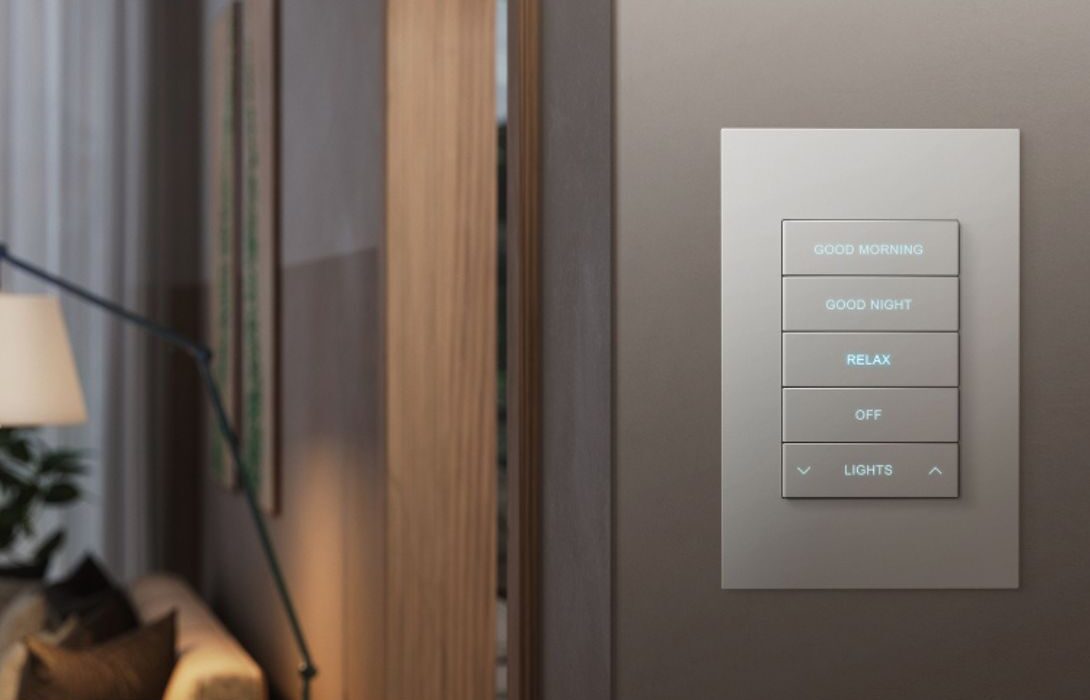
Lighting becomes a whole lot more important during autumn and winter. Clever lighting systems from brands like Rako or Lutron mean you can create lighting scenes that just feel right for the time of day.
For example, your outdoor lights can kick in as the sun goes down, while indoor lighting can gradually warm up the place in the evening to create a lovely atmosphere. Some systems even try to mimic natural daylight patterns to help keep you feeling bright-eyed and bushy-tailed even in the darker months.
Sensors & Environmental Monitoring
Sensors are usually the unsung heroes of a smart home. In the colder months, they help keep an eye on important environmental factors around the house.
Humidity sensors help stop condensation and damp, while smoke and carbon monoxide detectors are an absolute must-have when your heating systems are running all the time. Weather and temperature sensors can even trigger automations that adjust your heating or ventilation when conditions change.
Tips for Saving Energy This Winter
Energy efficiency is always important, but it’s especially noticeable when those winter heating bills start to roll in.
Smart automation can help reduce unnecessary energy use without you having to make any sacrifices. Heating zones can switch off when no one’s around, lighting scenes can fade to black a bit earlier in the evening, and devices can just shut off when they’re not in use.
Many smart home systems also give you a nifty energy monitoring dashboard that shows exactly how your home is using electricity and heating. These insights make it so much easier to spot areas where you can save energy.
Combining smart controls with good insulation and energy-friendly appliances is often the most effective way to go. When your home keeps the heat in and your system knows just when to switch it on, overall efficiency really starts to pay off.
Keeping Your Smart Home Secure During the Darker Months
Security becomes even more of a priority as the nights draw in and your home is left in darkness for longer.
Smart home security systems let you keep an eye on your property from anywhere in the world. Motion sensors can kick in outdoor lighting when you’re not around, while cameras and alarms can send you instant alerts on your phone.
Security gear from brands like Ring can also integrate with your lighting and automation systems. For example, if motion is detected outside, exterior lights can switch on right away while cameras start recording. It’s all about giving you peace of mind on those darker evenings.
Remote monitoring is another major advantage. Whether you’re at work, on a trip or just out for the night, you can quickly check live camera feeds or get notifications if anything unusual happens.
For more practical advice on winter home safety, the National Fire Protection Association has some super helpful seasonal tips for homeowners.
Upgrading Your Smart Home Before Winter
Autumn is a great time to think about upgrading or expanding your smart home system. Planning ahead before winter sets in means you can get everything installed and tested before things start to get too chilly.
Many people start by having a look at what they’ve already got installed and identifying areas where automation could add the most value. This might include improving heating control, upgrading lighting systems or adding more security features.
If you’ve already got some smart devices installed, it’s worth checking compatibility before adding new tech. Not all systems work seamlessly together, which is why professional integration can make all the difference. Working with an experienced smart home installer is the way to go if you want to make sure your new systems mesh with what you already have. If you’re thinking about upgrading or giving your place a bit of a makeover, contact us on 02077207877 or fill out our contact form.