8 Smart Security Features Every Home Needs
Modern home security has moved far beyond standalone alarms and cameras. In high-end residential projects, security is now designed as part of a fully integrated smart home system, working alongside lighting, automation and access control to create a more responsive and reliable environment.
As expectations around privacy, safety and control continue to increase, integrated security is becoming an essential part of modern home design. With this in mind, take a look at eight smart security features every home should include:
Intelligent CCTV Systems
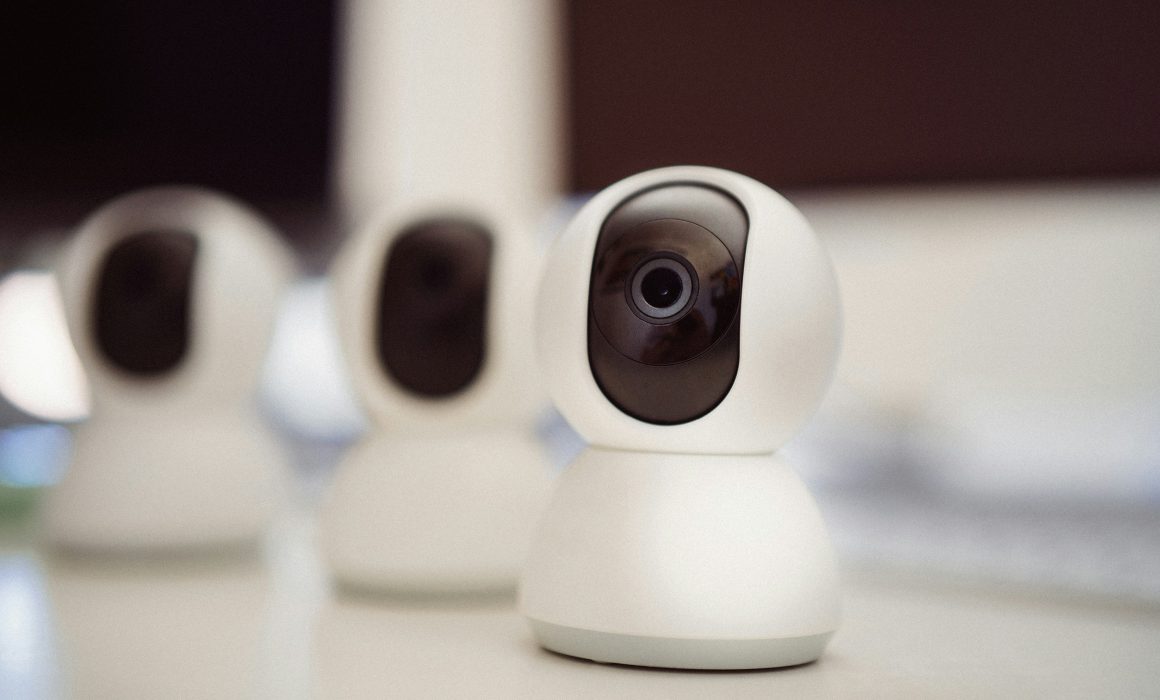
CCTV remains a core element of residential security, but its role has evolved significantly. Rather than operating independently, modern systems are integrated into the wider smart home ecosystem.
Through platforms such as Control4, Crestron Home and Savant, homeowners can monitor cameras via a single interface, alongside other systems in the property. This allows for faster access, clearer oversight and a more streamlined user experience.
Professional system design is essential to ensure that cameras are positioned effectively, coverage is optimised and footage is easily accessible when needed. This holistic approach delivers seamless functionality and intelligent-led coverage that improves home security and gives you peace of mind.
Smart Access Control and Entry Systems
Access control systems allow homeowners to manage who can enter the property and when. This can include video entry, keypads, mobile access and automated gates, all designed to provide greater control over entry points.
When integrated with a smart home platform, access control becomes even more effective. Homeowners can receive alerts, view live video feeds and grant access remotely, whether they’re at home or away.
This combination of convenience and security ensures that access control integrates smoothly with the wider system, contributing to a more cohesive and responsive home environment.
Integrated Intruder Alarms
Intruder alarms remain an important part of any security system, but integration enhances their functionality significantly. Instead of simply triggering a siren, alarms can activate a range of automated responses.
For example, lighting can be triggered to illuminate key areas, while alerts can be sent directly to the homeowner’s device. By linking alarms with automation platforms, responses can be faster, more visible and more effective.
Professional system Integration can also help reduce false alarms and alerts, as systems can respond more intelligently based on real-time inputs.
Perimeter and External Security
A comprehensive security system begins at the boundary of the property. External security measures, including gates, perimeter monitoring and outdoor sensors, provide an additional layer of protection before entry points are reached.
Lighting also plays an important role as a deterrent, ensuring that key areas are well lit when movement is detected. When combined with a layered security approach, these features help to create a more secure and controlled environment.
By considering both internal and external security, homeowners can achieve a more complete and reliable system that protects both the property and its surrounding environment.
Secure Home Networks
Every smart home system relies on a stable and secure network. Without this foundation, connected devices and security systems cannot perform reliably.
A professionally designed network ensures that data is protected, devices are secured and systems operate as intended. This is particularly important in properties where multiple systems are integrated, as vulnerabilities in one area can affect the wider environment.
Smart Lighting for Security
Lighting can play a significant role in residential security, particularly when used to simulate occupancy. Timed lighting and presence simulation can give the impression that a property is occupied, even when it is not.
Systems such as Lutron and Rako allow for flexible lighting control, enabling homeowners to create schedules and automated scenes that support both security and everyday use. By blending security with lifestyle lighting, homeowners can enhance protection without compromising the overall feel of the space.
Centralised Control and Monitoring
One of the key advantages of an integrated smart home system is the ability to manage everything from a single interface. Security, lighting and automation can all be accessed and controlled in one place.
This makes it easier to monitor activity, respond to alerts and adjust settings as required. With mobile access, homeowners can stay connected to their property at all times, whether they’re at home or away. The result is a more intuitive and manageable security system that fits naturally into daily life.
Professional Installation and Ongoing Support
The effectiveness of any security system depends on how well it is designed, installed and maintained. Professional installation ensures that all components are configured correctly and work together as intended.
Ongoing support is equally important. Regular updates, system checks and optimisation help to maintain performance and ensure that your security system continues to operate reliably over time.
If you’re looking to integrate advanced security into your smart home, Element 29 can help you design and implement a system that’s tailored to your property and your requirements. To find out more, get in touch with our team on 0207 720 7877, email us at info@element29.co.uk or send us a message here.